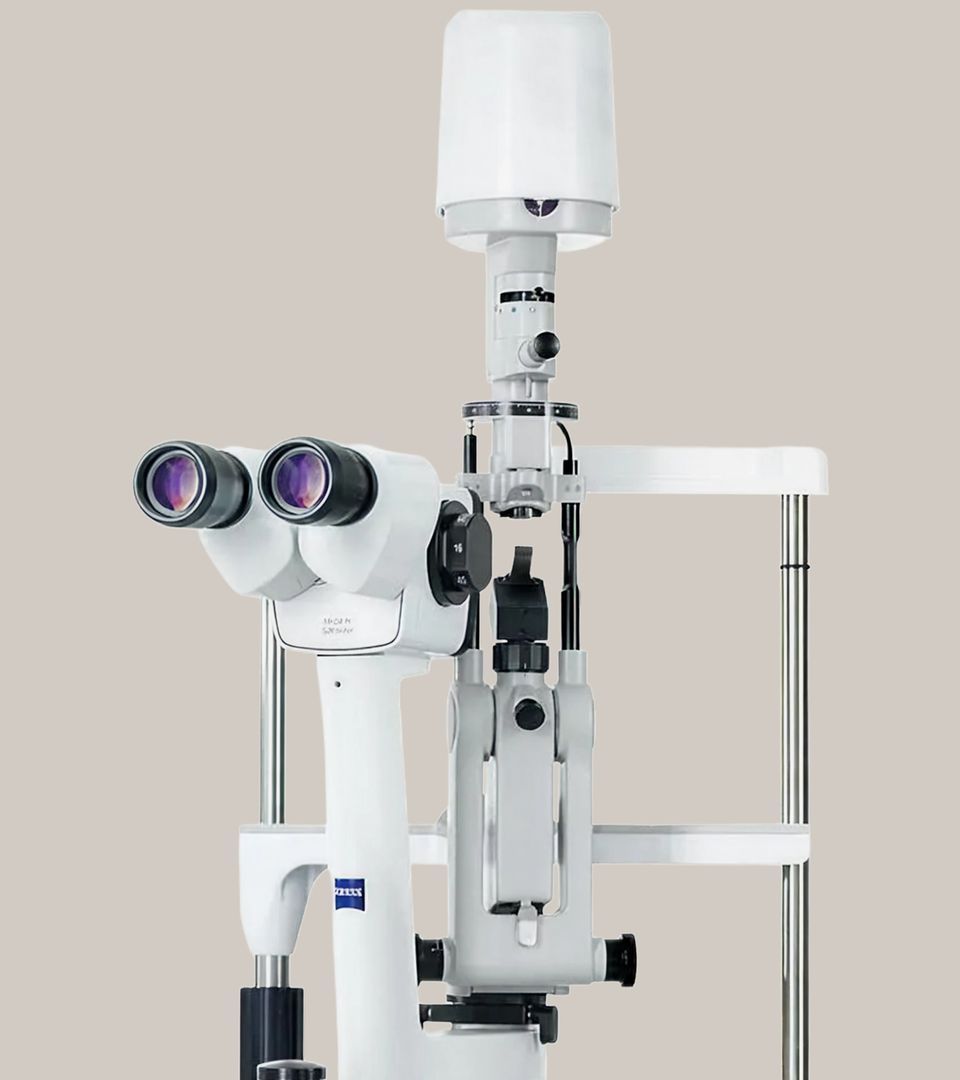
Health & advice
Whether you’re looking for guidance on managing dry eyes, understanding visual stress, or knowing when to book an eye examination, we’re here to help. If you ever have concerns or notice changes in your vision, our optometry team is always happy to offer personalised advice.
Conditions:
Myopia (Short-Sightedness)
- Myopia is a common condition where distant objects appear blurred while near vision remains clear.
- It often develops in childhood and may progress over time.
Common Symptoms
- Blurred distance vision
- Squinting
- Headaches
- Difficulty seeing road signs, screens, or classroom boards clearly
Causes & Management
- Myopia occurs when the eye is too long or the cornea is too curved.
- Light focuses in front of the retina instead of directly on it.
- Specialist spectacle lenses and contact lenses can help slow progression in children.
- Regular eye examinations are important for monitoring changes and protecting long-term vision.
Hyperopia (Long-Sightedness)
- Hyperopia is a condition where close objects appear blurred while distance vision may remain clearer.
- It can affect both children and adults.
Common Symptoms
- Difficulty focusing on near objects
- Eye strain
- Headaches after reading
- General blurred vision
Causes & Treatment
- Hyperopia occurs when the eye is too short or the cornea is too flat.
- Light focuses behind the retina instead of directly on it.
- Prescription glasses or contact lenses can effectively correct vision and reduce eye strain.
Astigmatism
- Astigmatism is a common refractive error caused by an irregularly shaped cornea or lens.
- It can cause blurred or distorted vision at all distances.
Common Symptoms
- Blurred vision
- Eye strain
- Headaches
- Difficulty seeing clearly at night, especially when driving
Causes & Treatment
- Astigmatism is often present from birth and occurs when the eye is more oval-shaped rather than round.
- Prescription glasses or contact lenses can effectively correct vision and improve visual comfort.
Presbyopia
- Presbyopia is a common age-related condition that affects near vision, usually developing from your 40s.
- It occurs when the eye’s natural lens becomes less flexible.
Common Symptoms
- Blurred near vision
- Difficulty reading small print
- Holding items further away to focus
- Eye strain
- Headaches, especially after screen use or in low light
Causes
- Presbyopia is caused by natural ageing changes in the eye’s lens.
- The lens gradually loses its ability to focus between different distances.
- It affects everyone over time and is not related to eye shape.
Treatment Options
- Reading glasses
- Progressive (varifocal) lenses
- Occupational lenses for computer use
- Multifocal contact lenses
These solutions provide clearer, more comfortable vision at all distances.
Dry Eye Disease
- Dry Eye Disease is a common condition that can cause irritation, burning, blurred vision, and light sensitivity.
- It occurs when the eyes do not produce enough tears or when tears evaporate too quickly.
- At Daybell & Choo, we offer advanced diagnosis and targeted treatments to improve long-term comfort and vision.
What Is Dry Eye?
- Dry eye develops when the tear film becomes unstable, leading to irritation and inflammation.
- A common cause is Meibomian Gland Dysfunction (MGD), where blocked oil glands reduce tear quality and increase evaporation.
Common Symptoms
- Burning or stinging eyes
- Redness
- Watery eyes
- Blurred or fluctuating vision
- Light sensitivity
- Contact lens discomfort
Symptoms often worsen with screen use, air conditioning, or windy environments.
Advanced Dry Eye Treatments
We offer clinically proven treatments including:
- IPL (Intense Pulsed Light) to reduce inflammation and improve gland function
- LLLT (Low Level Light Therapy) to support tear stability
- ZEST, BlephEx & NuLids treatments to cleanse and restore eyelid health
Why Professional Treatment Matters
- Artificial tears may provide temporary relief but often do not treat the underlying cause.
- Our comprehensive dry eye assessments evaluate tear film stability, gland function, and ocular surface health to create a personalised treatment plan.
Book a Dry Eye Consultation
- If you experience ongoing irritation or blurred vision, early treatment is important.
- Book a consultation at Daybell & Choo for expert diagnosis and advanced dry eye care.
Glaucoma
- Glaucoma is a group of eye conditions that damage the optic nerve, often caused by increased pressure inside the eye.
- It is a leading cause of vision loss, but early detection can help protect long-term vision.
Common Symptoms
- Glaucoma often develops slowly with no early warning signs.
- As it progresses, symptoms may include:
- Loss of peripheral (side) vision
- Blurred vision
- In rare acute cases, sudden eye pain
Early Detection
- Early diagnosis is essential to help prevent permanent vision loss.
- Advanced imaging, including OCT retinal scanning, can detect glaucoma at a very early stage, often before symptoms appear.
- Regular eye examinations allow for timely treatment and long-term monitoring.
Cataracts
- Cataracts occur when the eye’s natural lens becomes cloudy, reducing the amount of light reaching the retina.
- This causes a gradual decline in vision and commonly develops with age.
Common Symptoms
- Blurred or cloudy vision
- Increased sensitivity to glare
- Difficulty seeing at night
- Colours appearing dull or faded
Cataract Treatment
- Cataract surgery is a safe and highly effective procedure.
- The cloudy lens is replaced with a clear artificial lens to restore sharper, brighter vision.
- Treatment can significantly improve visual quality and everyday life.
Macular Degeneration
- Macular degeneration affects the macula, the central part of the retina responsible for sharp, detailed vision.
- It can cause gradual loss of central vision, affecting reading, driving, and recognising faces.
- Age-related macular degeneration (AMD) is one of the leading causes of vision loss in adults.
Common Symptoms
- Distorted or blurred central vision
- Difficulty reading small print
- Straight lines appearing wavy
- Dark patches in vision
- Reduced contrast sensitivity
Early stages may not cause noticeable symptoms, making routine eye examinations essential.
Advanced Detection & Monitoring
At Daybell & Choo, we use advanced imaging technology to assess retinal health, including:
- OCT retinal scanning
- OCT angiography (OCTA)
- Ultra-widefield imaging (Optomap)
These technologies allow for early detection and precise long-term monitoring.
Photobiomodulation (LLLT) Treatment
- We offer Low Level Light Therapy (LLLT), an advanced non-invasive treatment designed to support retinal health.
- Using targeted wavelengths of light, photobiomodulation helps stimulate cellular activity and support retinal cell function.
- This treatment may benefit individuals with early age-related macular degeneration and complements ongoing monitoring and care.
Why Regular Eye Exams Matter
- Macular degeneration can develop gradually without early symptoms.
- Regular eye examinations help support early detection, timely intervention, and long-term protection of vision.
Diabetic Retinopathy
- Diabetic retinopathy is a serious diabetes-related eye condition that damages the retina.
- If left untreated, it can lead to permanent vision loss.
- Early diagnosis through regular diabetic eye examinations is essential for protecting long-term vision.
Common Symptoms
- Blurred or fluctuating vision
- Floaters
- Poor night vision
- Gradual sight loss
In the early stages, there may be no noticeable symptoms, making routine screening extremely important.
Detection & Prevention
- Advanced retinal imaging, including OCT scans and ultra-widefield imaging, can detect diabetic retinopathy early.
- Regular eye examinations and good blood sugar control are key to reducing the risk of vision loss and maintaining healthy eyesight.
Keratoconus
- Keratoconus is a progressive eye condition where the cornea becomes thinner and bulges into a cone shape.
- This causes distorted and blurred vision.
- Early diagnosis is important for protecting long-term eye health and maintaining clear vision.
Common Symptoms
- Increasing astigmatism
- Blurred or distorted vision
- Sensitivity to light
- Frequent changes in vision or prescription
Management of Keratoconus
- Keratoconus is commonly managed with specialist contact lenses to improve vision and comfort.
- Early detection and regular monitoring help achieve better long-term visual outcomes.
Floaters & Flashes
- Floaters and flashes are common visual symptoms caused by changes inside the eye.
- While often harmless, sudden changes should never be ignored.
Floaters
- Floaters appear as small dark specks, dots, or thread-like shapes drifting across your vision.
- They are often more noticeable against bright backgrounds, such as the sky or a screen.
Flashes
- Flashes appear as brief bursts or flickers of light, usually in your peripheral (side) vision.
- They are commonly linked to changes in the vitreous gel inside the eye.
Urgent Advice
- Seek immediate professional attention if you experience:
- A sudden increase in floaters
- New flashes of light
- A shadow or curtain across your vision
These symptoms may indicate a serious retinal condition requiring urgent assessment.
Visual Stress
- Visual stress is a condition where patterns, particularly text, can cause discomfort and reading difficulties.
Common Symptoms
- Words appearing to move, blur, or distort
- Headaches
- Poor concentration
- Sensitivity to bright light
Management of Visual Stress
- Coloured overlays or specialist tinted lenses may help reduce symptoms and improve reading comfort for some individuals.